
Birth to Toddler Milestones
A simple, parent-friendly guide to understand your child’s growth from birth to 3 years — including physical, cognitive, social, speech and emotional development.
Physical Growth
Track rolling, sitting, crawling, standing, walking and coordination.
Learning & Speech
Understand babbling, first words, simple instructions and imagination.
Social Milestones
Observe smiling, eye contact, affection, parallel play and interaction.
Development milestones from birth to 3 years
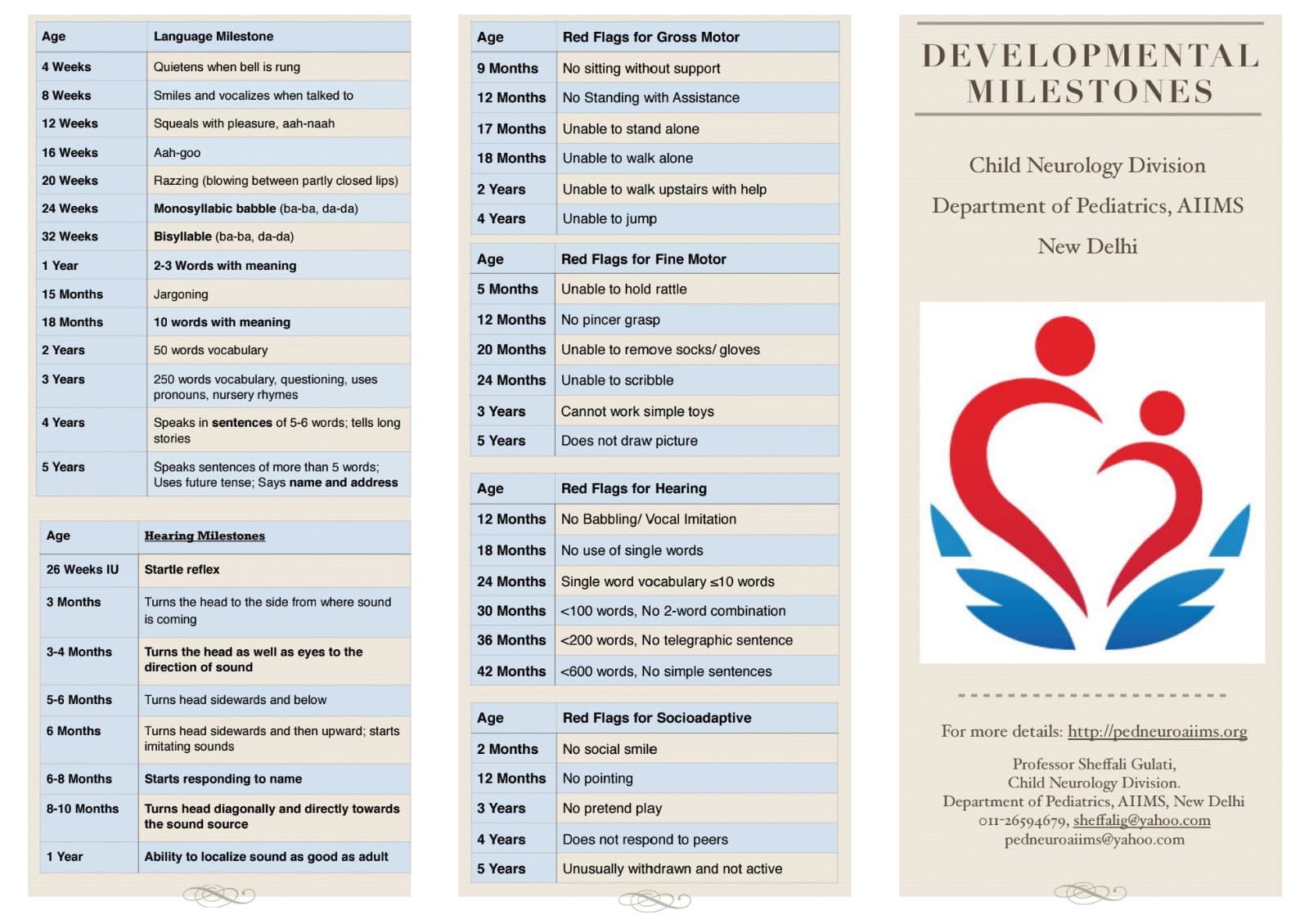
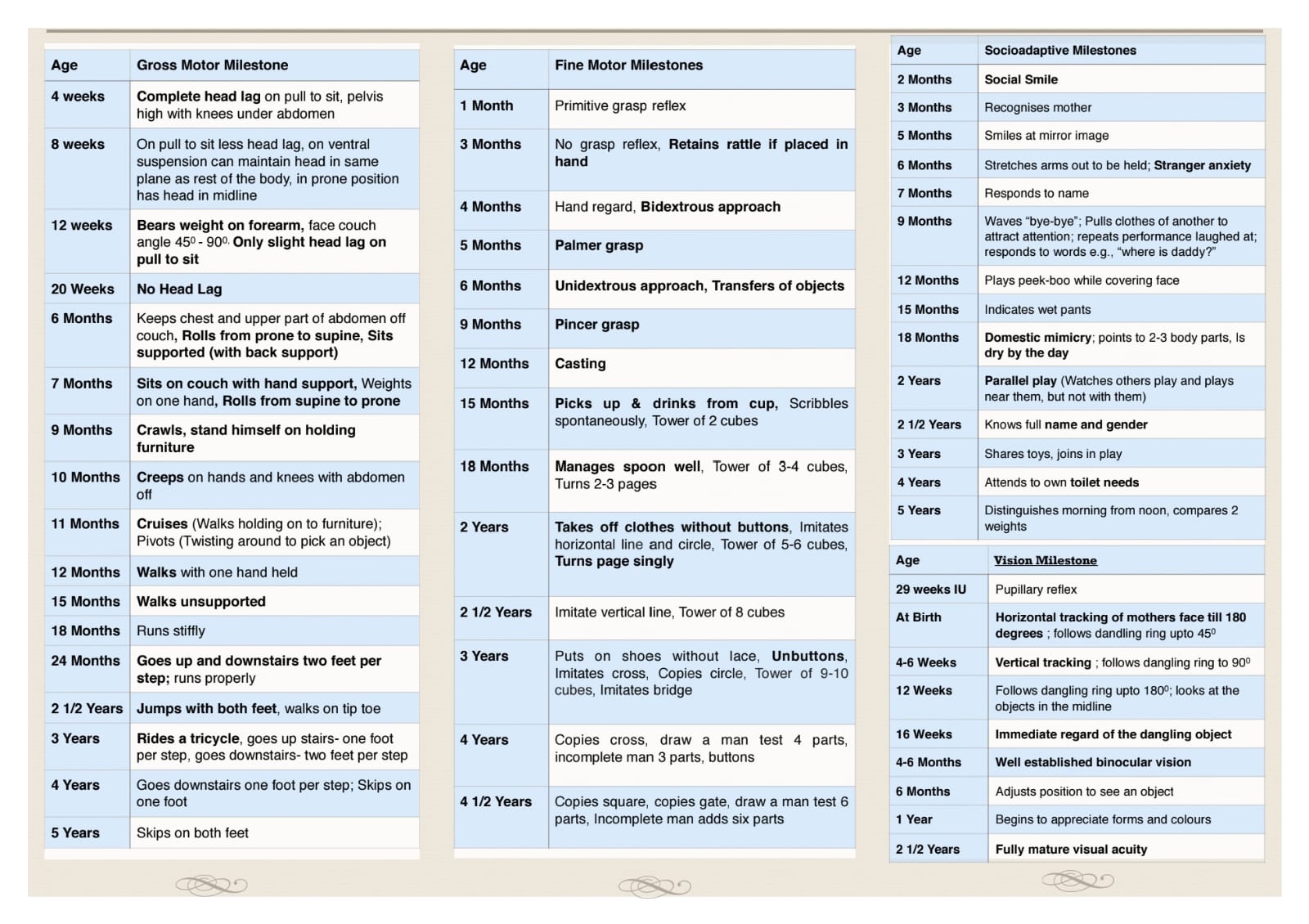
Every child grows at their own pace. This chart gives parents a simple reference for common age-wise development signs.
| Age | Physical | Cognitive | Social / Emotional | Communication |
|---|---|---|---|---|
| 0–3 months | Lifts head, moves arms | Tracks objects | Smiles, eye contact | Coos |
| 4–6 months | Rolls over, reaches | Recognizes faces | Laughs | Babbles |
| 7–9 months | Sits, crawls | Object permanence | Stranger anxiety | Responds to name |
| 10–12 months | Stands, cruises | Problem solving | Waves bye-bye | Says mama/dada |
| 13–18 months | Walks, climbs | Pretend play | Shows affection | 10–20 words |
| 19–24 months | Runs, kicks ball | Follows simple instructions | Parallel play | 2-word phrases |
| 2–3 years | Jumps, pedals | Sorting, imagination | Cooperative play | Short sentences |
Every stage has its own little wins
From first smiles to first steps, small milestones help us understand how your child is growing.
Play & Learning
Babies begin responding to faces, voices, colors and simple sounds while building early awareness of their surroundings.
Social Growth
Children begin showing affection, responding to names, copying actions, waving, laughing and building stronger emotional connections.
Early Milestones
Toddlers start walking, running, speaking short phrases, following instructions and becoming more independent in daily activities.
Trivandrum Developmental Screening Chart
TDSC is a simple screening tool used to understand whether a child is achieving age-appropriate milestones in motor, social, speech and learning development.
Observe the child’s current age-wise milestone.
Compare with expected development indicators.
Consult a pediatrician if multiple milestones are delayed.
| Milestone | Age Range (Months) |
|---|---|
| Social Smile | 1-3 |
| Eyes Follow Pen/Pencil | 2-4 |
| Hold Head Steady | 3-5 |
| Turns Head to Sound of Bell/Rattle | 4-7 |
| Transfers Objects Hand to Hand | 6-9 |
| Rolls From Back to Stomach | 6-10 |
| Raises Self to Sitting Position | 9-13 |
| Standing Up By Furniture | 9-12 |
| Fine Prehension Pellet | 9-12 |
| Pats a Cake | 10-12 |
| Walks with Help | 12-17 |
| Throws Ball | 15-19 |
| Walks Alone | 14-19 |
| Says Two Words | 16-20 |
| Walks Backwards | 16-21 |
| Walks Upstairs with Help | 17-22 |
| Points to Part of Doll (3 Parts) | 18-24 |
When parents should seek help
These signs do not always mean a serious issue, but they should be discussed with a pediatrician for timely guidance.
No response to smile or sound
Observe and discuss during consultation.
Poor head control
Watch carefully and seek guidance.
Does not sit without support
Refer to pediatrician.
No babbling or gestures
Review urgently.
No meaningful words
Needs developmental evaluation.
Poor eye contact or lost skills
Needs urgent evaluation.
How to use this guide
- Check whether your child is achieving age-appropriate milestones.
- Do not panic if one milestone is slightly delayed.
- Consult your pediatrician if multiple milestones are missed.
- Early support helps children progress better.
Tips for parents
- Talk, sing and read to your child daily.
- Encourage safe play and movement.
- Limit screen time.
- Observe your child’s social interaction and speech.
Seek immediate medical help in emergencies
Choking, breathing difficulty, seizures, bluish lips, extreme weakness, unconsciousness or unusual drowsiness need urgent medical care.
Contact Clinic